From Iraq to 53 Countries
The world wasn't built for passports like mine. Here's how I learned to navigate it anyway.
53
Countries
12
Years
43
via Schengen
5
Continents
I grew up in Basra, Iraq — for most of my childhood, the countries in the atlas were theoretical, places for people with different passports. At 21, I left Iraq for the first time. Today, I've visited 53 countries—not because I'm rich or lucky, but because I learned the system: visa loopholes, Schengen reuse strategies, eVisa shortcuts, the patterns nobody talks about. This site is the guide I wish I had.
The Map So Far
Iraq (Home)
Residence Permit (43 countries)
Iraqi Passport (9 countries)
The Journey
21
First trip outside Iraq → Iran
24
Sweden residence permit → unlocked 43 countries via Schengen reuse
28
35 new countries in 3 years → mastered visa strategies, eVisas, and border patterns
Now
53 countries across 5 continents → still finding new routes
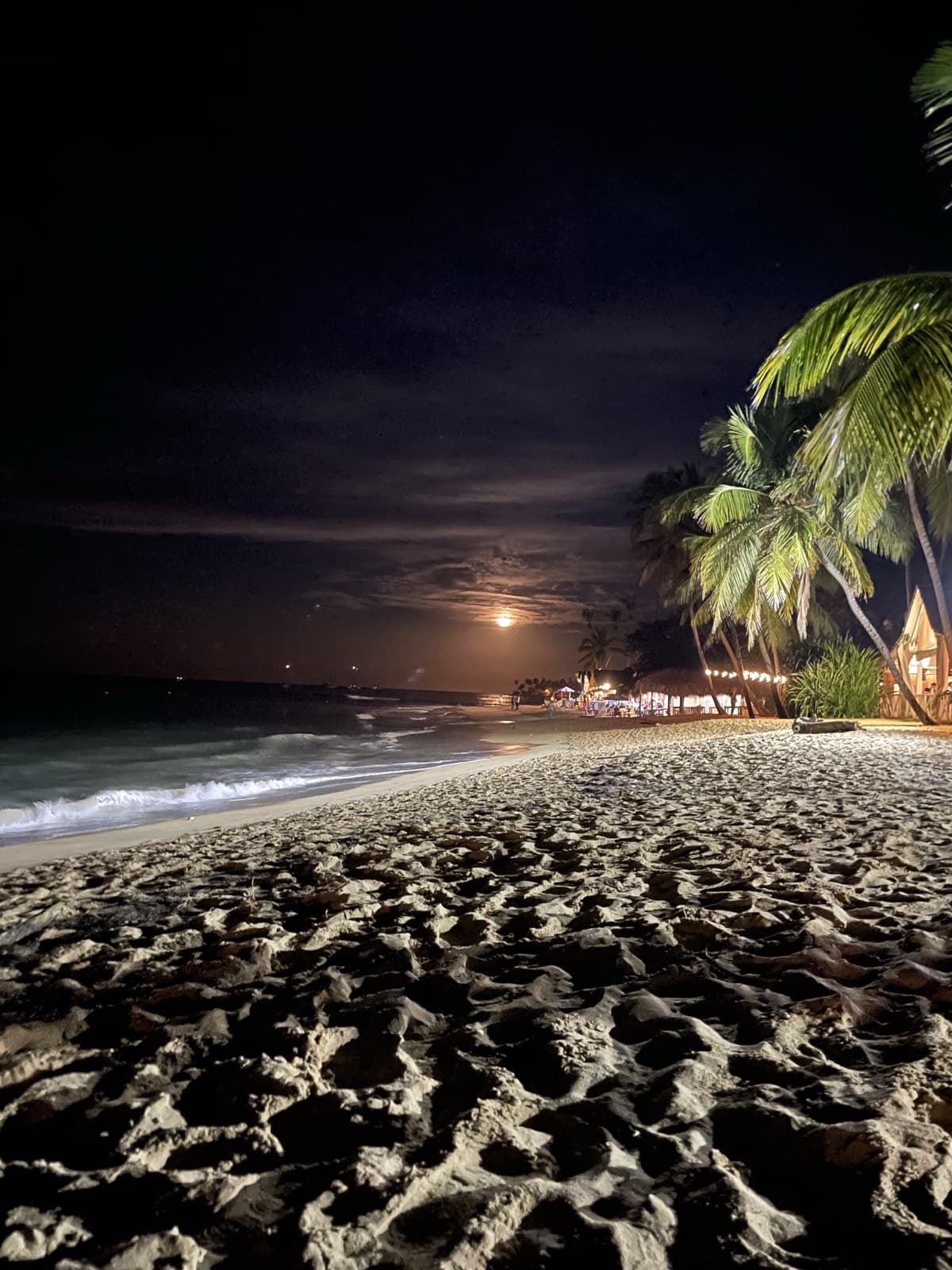
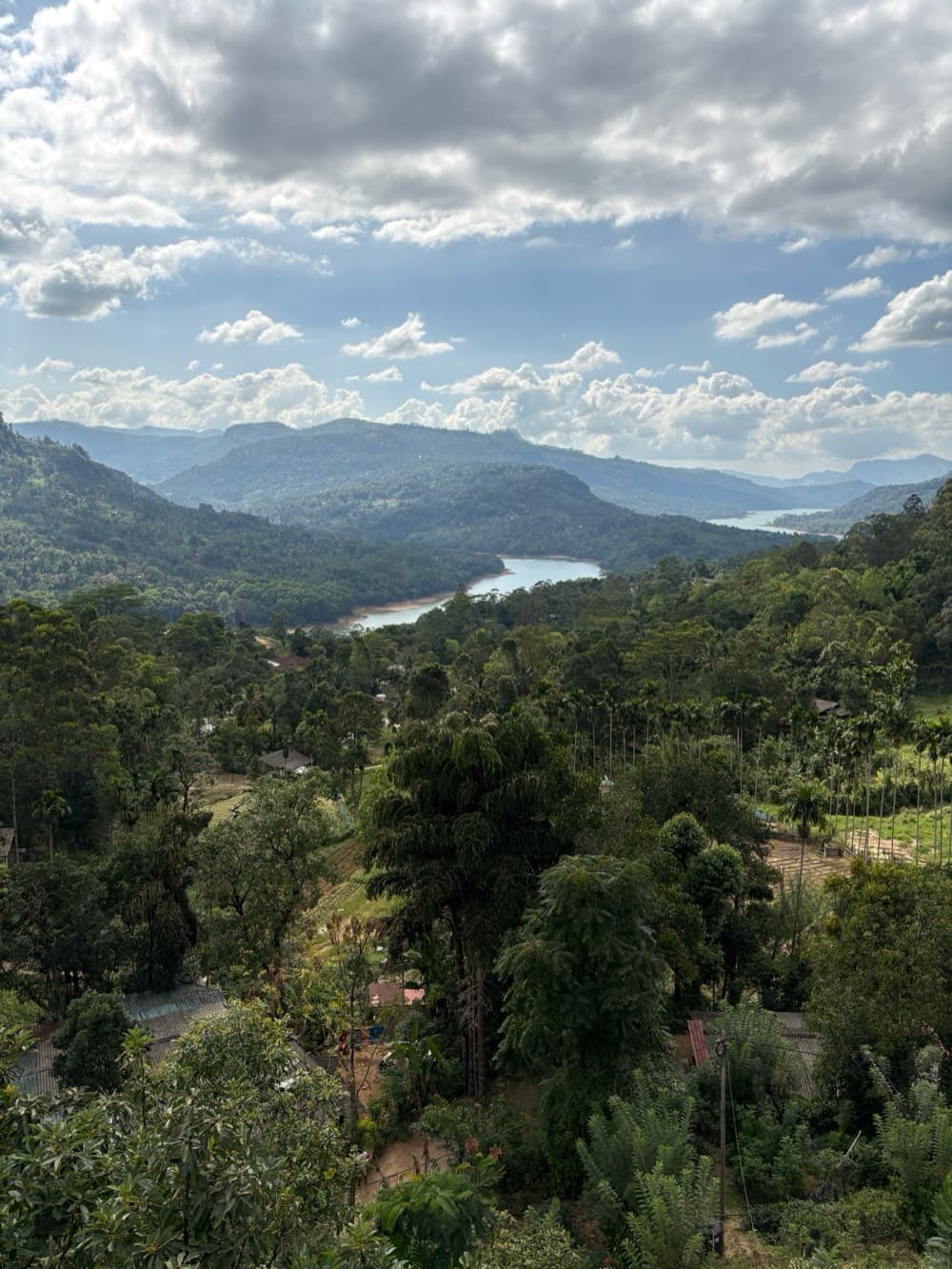
Moments from the Road


What I've Learned
Visa rejections are normal. I've been rejected multiple times—for Schengen, for the UK, even for countries I thought would be easy. Each rejection taught me something about documentation, interview technique, or timing. The key is to learn from them and reapply stronger.
One visa can unlock 40+ countries—this is compound access. My Sweden residence permit didn't just get me into Sweden—it opened up 43 Schengen and Schengen-adjacent countries. Compound access is the total set of countries you can enter by combining your passport with visas you already hold. This isn't a hack; it's written into bilateral agreements that most travelers never hear about.
Border officials are human. They're not trying to catch you out. They're verifying you meet the entry requirements. If your documents are in order, if you can explain your trip clearly, and if you're calm and respectful, you'll be fine 99% of the time.
Documentation beats everything. A confirmed hotel booking, a return ticket, travel insurance, and a bank statement showing you can support yourself—these aren't suggestions. They're requirements. Have them ready, in English if possible, and in both digital and printed form.
eVisas are your friend. For many countries—Cambodia, Sri Lanka, Morocco, Vietnam—you can skip the embassy entirely and apply online. It's faster, cheaper, and less stressful. Always check if an eVisa option exists before booking an embassy appointment.
Why This Tool Exists
Most travel guides assume you have a high-mobility passport. They don't mention visa rejections, months-long consulate waits, or the anxiety at border control.
I built this because I needed it. Every piece of data here is information I wish I had when I was that kid in Basra, staring at an atlas. If you hold a passport from Iraq, Pakistan, Syria, Afghanistan, or any other country with limited mobility, you know the frustration of seeing "visa required" next to nearly every destination.
What nobody told me—and what took years to figure out—is that compound access changes the equation entirely. The visas you already hold don't just get you into one country; they unlock dozens more through bilateral agreements most people never discover. This tool maps that for you. Add your passport and any existing visas or residence permits, and it shows your full compound access in seconds.
Every rule is verified against official government sources. Every shortcut is tested. Every loophole is documented. Whether you're planning a weekend trip or exploring long-term residency options, this is the playbook I wish someone had handed me 12 years ago.
Start with the tool. See your compound access. Then work backwards from there.
Calculate Your Compound AccessFrequently Asked Questions
How is compound access calculated?
Compound access is calculated by taking your passport's baseline visa-free countries and adding every additional country accessible through each visa or residence permit you hold. Countries accessible through multiple documents are counted only once. The Compound Access Calculator performs this automatically.
How often is the visa data updated?
Visa requirements are reviewed quarterly. Urgent changes — new bilateral agreements, eVisa launches, policy reversals — are reflected immediately. All data is cross-referenced with official government immigration departments, embassy websites, and IATA Timatic.
Is Visa Free Nomads affiliated with any government or embassy?
No. Visa Free Nomads is an independent information resource with no government or embassy affiliation. All information is based on publicly available official sources. Always verify current requirements with the destination's embassy or immigration authority before travel.